From Then to Now: Caribbean Food Centennial Inspirations
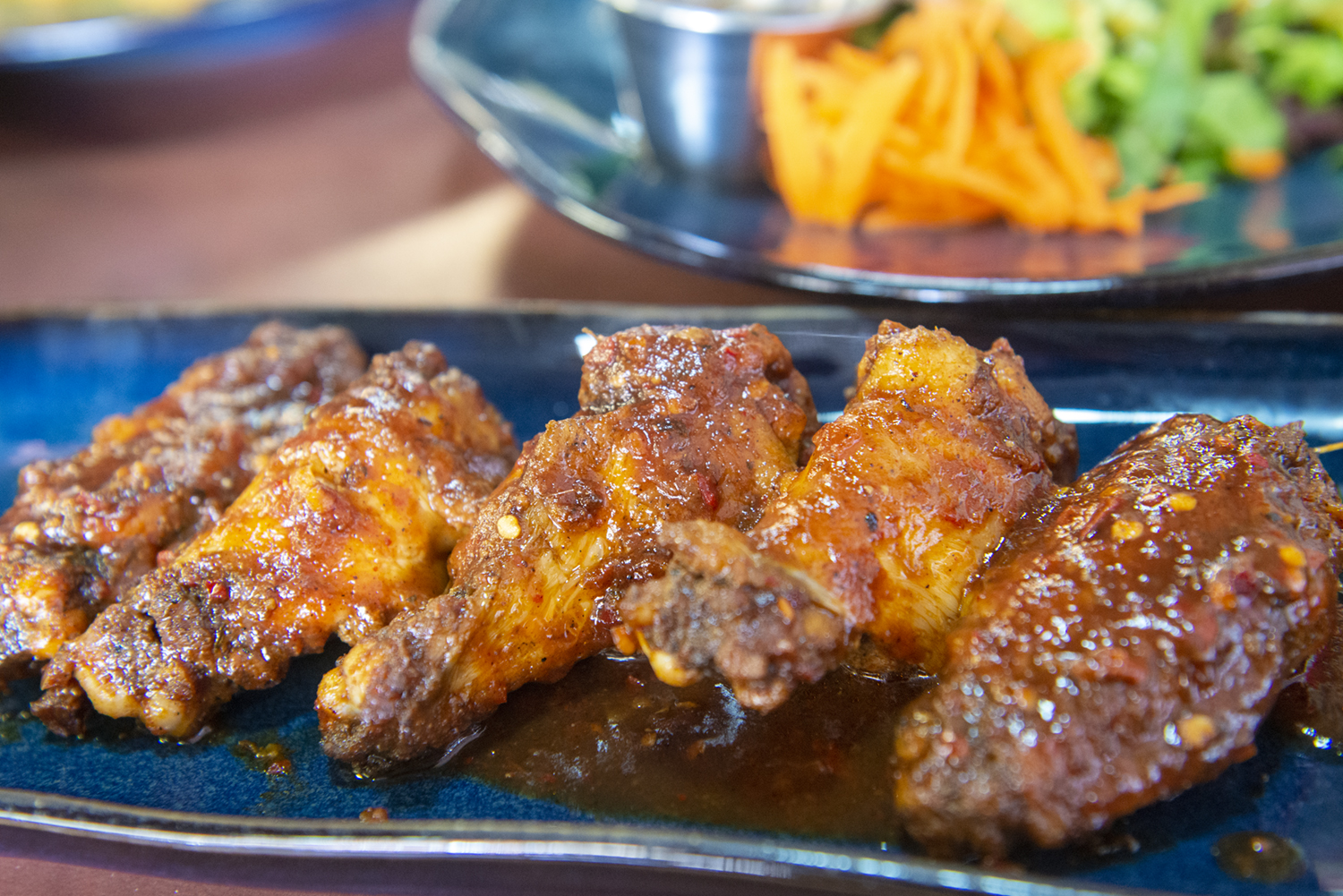
A centennial invites a particular kind of reflection. One hundred years is long enough for memory to blur at the edges, yet close enough that family recipes, market habits, and ceremonial dishes still carry the fingerprints of living people. In Caribbean cooking, that span can be tasted as much as studied. The plate tells a story of continuity and adjustment, of ingredients that survived colonial disruption, of techniques carried across water, and of local improvisations born from climate, migration, trade, and necessity.
That is what makes the idea of caribbean food centennial inspirations so compelling. It is not simply about reviving “old-time” dishes for nostalgia’s sake. It is about tracing how food has moved through a century of change and asking what deserves preservation, what benefits from reinterpretation, and what modern cooks can learn from the habits of previous generations. A centennial table, when thoughtfully assembled, should feel both rooted and alive.
A century on the Caribbean plate
Anyone who has spent time in Caribbean kitchens knows that the region resists tidy summary. Jamaica does not cook like Trinidad. Haiti does not taste like Barbados. Puerto Rican holiday cooking has its own logic, and so does Guyanese pepperpot at Christmas. Even within a single island, dishes shift by parish, by village, by family line, by whether the cook grew up inland or near the sea.
Still, broad patterns emerge over a hundred years. Ground provisions remained foundational because they made practical sense. Cassava, yam, sweet potato, green banana, breadfruit, dasheen, and eddoes were filling, resilient, and adaptable. Rice became central in many places, sometimes because of trade and affordability, sometimes because it fit the rhythms of large family cooking. Saltfish, smoked meats, and preserved ingredients held their place because refrigeration was once limited and because flavor developed around those preservation methods. Fresh herbs, citrus, hot peppers, coconut, allspice, thyme, scallion, and culantro or chadon beni did what they still do now, they gave depth without fuss.
Over that century, however, urbanization changed meal patterns. Imported goods altered everyday cooking. Canned products entered pantries. Flour became more common in some homes than root crops. Refined sugar and industrial seasonings became easier to find. Restaurant culture expanded. Tourism shaped expectations, often flattening complex food traditions into a few “signature” dishes. Diaspora communities then sent ideas back home. A Trinidadian family in Toronto, a Jamaican baker in London, a Dominican cook in New York, each carried traditions outward and returned with new habits in tow.
The result is not decline, despite what some purists insist. It is evolution, with losses and gains on both sides. The old kitchen knew thrift, patience, and ingredient intimacy. The new kitchen often brings access, precision, and a wider field of technique.
What the older generation understood instinctively
Many of the best lessons from a century ago have little to do with sentimentality. They are practical. Older Caribbean cooking often excelled at extraction, stretching flavor from modest means. A fish head stock became soup with authority. A pot of peas simmered with herbs and a scrap of salted meat could anchor an entire meal. Coconut was not a flavoring from a carton, it was cracked, grated, soaked, squeezed, and used in stages. Nothing about that process was romantic when one had to do it every day, but the result was layered food.
Texture mattered too. A proper provision-based meal did not collapse into softness. Boiled green banana should hold shape. Dumplings should be tender but not soggy. Fried plantain must caramelize at the edges. Rice and peas should be separate enough to scoop, yet cohesive enough to carry gravy. Those details sound small until you realize they define the difference between memorable food and edible food.
Seasonality also imposed discipline. Mangoes arrived in abundance and were used fresh, in chow, in juices, in preserves. Sorrel marked a season. Sea conditions affected what fish came in. Rainfall shaped markets. The old cooks did not need a lecture on local sourcing because they were already living it. Their range may have been narrower, but their understanding of timing was stronger.
This is one of the clearest centennial lessons. A modern cook can buy more ingredients than any grandparent could have imagined, yet often knows less about the nature of any single one.
Centennial inspiration begins with memory, not mimicry
When people plan commemorative menus, they sometimes make the mistake of treating history as a museum exhibit. The food becomes overly literal, almost stiff. There is value in archival cooking and in exact recreations, especially for educational events, but most celebratory meals need more warmth than that. They need recognition rather than reenactment.
A better approach is to identify the emotional anchors of a food tradition. In one family, that may be a Saturday soup that started before dawn. In another, it may be black cake soaked months in advance, or a rice dish that only appeared for weddings, christenings, or Christmas lunch. For some communities, the unmistakable scent of pimento wood and smoke matters more than the exact cut of meat. For others, the centennial touch lies in a specific method, such as wrapping, pounding, fermenting, or curing.
That is caribbean food centennial where caribbean food centennial work becomes creative rather than merely commemorative. The question shifts from “How do we copy the past?” to “Which part of the past still has force, and how do we express it honestly now?”
A chef might reinterpret cou-cou with a more refined plating, but if the cornmeal lacks body or the okra disappears, the dish loses its soul. A home cook might prepare escovitch with a firmer, less oily finish suited to modern preferences, while preserving the sharp interplay of vinegar, pepper, onion, and sweet carrot. A baker may reduce sweetness in a traditional coconut tart, especially for contemporary palates, but the filling must still taste of coconut rather than vanilla and sugar alone.
The ingredients that carry time
Some ingredients act like edible archives. They survive because they fit the land and because they answer deep cultural needs. If a centennial menu is meant to signal continuity, these are often the best starting points.
Ground provisions are one obvious category, but they should not be treated as rustic filler. Breadfruit can be roasted, whipped, chipped, or transformed into a creamy puree with startling elegance if handled correctly. Cassava can move from bammy to pone to farine, showing entirely different personalities. Green banana can anchor a breakfast, enrich a soup, or become a delicate mash with smoked fish folded through. These foods are nutritionally substantial, yes, but they also carry memory in a way imported starches often do not.
Coconut is another ingredient of historical depth. Fresh coconut milk has a fragrance and body that canned versions rarely match, though many cooks understandably rely on convenience. In a centennial context, even using fresh coconut once in a flagship dish can change the tenor of an entire meal. The same is true of hand-ground spice pastes, fresh thyme bundles, or proper citrus marinades.
Peppers deserve special attention. Across the region, heat is not merely heat. Scotch bonnet, bird pepper, and seasoning peppers each bring aroma as well as intensity. The older generation often used pepper with considerable nuance. A whole pepper steeped in a stew gave perfume without overwhelming the pot. Modern cooks sometimes miss that distinction and default either to blandness or brute force.
Then there are preserved ingredients, saltfish, smoked herring, pickled pork, cured meats, dried shrimp in some communities. These were born from necessity, but necessity shaped appetite. Their concentrated savor still defines the taste of many dishes. Reducing salt for health reasons is sensible, but removing these ingredients altogether can erase a dish’s character. The stronger route is measured use, longer soaking, careful balance, and better stock-building.
Migration changed the table, and that is part of the story too
A centennial reading of Caribbean food has to include movement. Over the last hundred years, Caribbean people moved within the region and far beyond it, to Britain, Canada, the United States, Panama, the Netherlands, and elsewhere. They left for work, education, family, and survival. Food traveled with them, then returned altered.
Diaspora kitchens often became laboratories. A cook who could not source breadnut might use chestnuts or beans. Someone without access to fresh sorrel might rely on dried hibiscus. Saltfish remained, but cuts of meat changed according to local butchers. Oxtail became especially prized in places where it was available and eventually expensive. Chinese, South Asian, Middle Eastern, and West African influences, already present in many Caribbean societies, deepened through ongoing contact and urban restaurant culture.
These shifts do not weaken authenticity. They reveal it. Caribbean food has long been adaptive. Consider how chow mein settled into Trinidad and Guyana, or how curry moved from imported tradition to local identity, or how patties, rotis, doubles, bake and saltfish, and pelau all speak to layered histories rather than pure origins. Purity is not the point. Recognition is.
For centennial menus, this opens a useful path. A meal honoring the past can legitimately include diaspora-born refinements or combinations if they are grounded in real community practice. A ginger-glazed ham with sorrel reduction may feel more modern than a plain baked ham, yet it still belongs if it speaks to how Caribbean festive tables have actually evolved. A cassava gnocchi with braised oxtail could work in a restaurant setting, provided the dish respects the starch’s flavor and the braise’s depth rather than using Caribbean references as decoration.
The hidden discipline behind celebratory food
One of the most overlooked truths about Caribbean celebratory cooking is how much labor it traditionally required. The grandeur of a holiday spread often came from coordination rather than luxury. Someone washed and soaked peas the night before. Someone grated coconut. Someone cleaned fish in the yard. Someone watched the sorrel, the stewed meats, the cakes, the breads, and the drinks while heat built in the kitchen. Family events ran on invisible systems.
That matters because contemporary tributes often focus on the visible plate but forget the process values underneath it. Those values include patience, sequencing, thrift, and an ability to build meals from overlapping preparations. A single marinade might season chicken, fish, and a pot of beans. Coconut milk extracted for one dish could leave pulp for another use. A stock would begin from bones or trimmings that would otherwise be wasted. If a centennial celebration aims to do more than style itself in nostalgia, those habits deserve attention.
A practical centennial kitchen can still honor this spirit without recreating every hardship. Better refrigeration, food safety knowledge, and labor-saving equipment are genuine advantages. A stand mixer, pressure cooker, or immersion blender is not a betrayal of heritage. The real test is whether convenience preserves or dulls the food’s essential qualities.
One guideline has served many serious cooks well: simplify the labor, not the flavor logic. If you use canned coconut milk, toast fresh spices. If you buy cleaned fish, make a real broth. If you shorten a braise with a pressure cooker, finish it uncovered so the sauce reduces properly. Heritage does not demand inefficiency. It demands judgment.
Building a centennial menu with integrity
A strong centennial menu usually balances familiarity with one or two thoughtful departures. If every dish is heavily reimagined, the meal can feel untethered. If nothing shifts at all, the event risks becoming static. The sweet spot lies in understanding which dishes should remain recognizable and which can carry interpretation.
For many cooks and planners, the following framework works well:
- Choose one anchor dish that appears in near-classic form.
- Select one starch or provision that reflects older foodways.
- Add one modern reinterpretation rooted in a real regional flavor profile.
- Include one beverage or dessert with strong ceremonial memory.
- Let seasoning tie the meal together rather than overcomplicating presentation.
This is not a rigid formula, but it helps avoid a common problem, menus that chase novelty so hard that every item competes for attention. Caribbean food is already rich in aroma, spice, color, and texture. It does not need theatrical excess to feel celebratory.
Picture a centennial meal built around pepperpot, or brown stew fish, or callaloo with crab, depending on the island context. Set beside it a carefully prepared cassava side or roasted breadfruit. Then introduce a contemporary element, perhaps a smoked pumpkin puree seasoned with thyme and Scotch bonnet oil, or a crisp green mango relish sharpened with lime. Finish with something that unmistakably carries the event into memory, black cake, coconut drops, guava duff, rum cake, or a chilled sorrel drink with citrus peel and clove.
The point is not opulence. It is coherence.
Restaurants and home kitchens approach history differently
In restaurants, centennial themes often run into a practical tension. Diners want recognition, but they also expect refinement, pacing, and visual appeal. A chef cannot simply transfer a family Sunday spread onto a tasting menu and expect it to hold shape in service. Sauces must be more controlled. Portions need restraint. Textures have to survive the pass. Bone-heavy cuts, shell-on seafood, or laborious table-side eating may delight at home and frustrate in a formal dining room.
At home, the opposite problem appears. Families sometimes overcorrect toward ambition, attempting too many dishes because celebration is equated with abundance. The result is rushed cooking and diluted quality. A centennial meal does not have to be enormous to be meaningful. In fact, narrowing the menu often improves execution and sharpens the historical message.
One seasoned rule is worth keeping in mind. If a dish depends on last-minute frying, careful timing, or texture that collapses when held, make sure the kitchen setup can support it. Accras, fritters, and some pastries can lose their point quickly. Stewed or braised dishes are more forgiving and often taste better after rest. Soups and one-pot preparations carry history beautifully because they were built for scale and community. Rice dishes, too, hold cultural weight with relative service ease.
What younger cooks are bringing to the tradition
There is encouraging work happening among younger Caribbean cooks, both in the region and across the diaspora. Many are recovering ingredients their parents saw as old-fashioned, cassava flour, breadfruit flour, bush teas, heritage varieties of peas and peppers, artisanal cane products, local cocoa, sea moss, native fruits, and underused fish species. Some are cooking with a stronger ecological consciousness than previous generations had the luxury to prioritize. Others are documenting techniques that were once transmitted only orally.
This has implications for any conversation about caribbean food centennial inspirations. A centennial is not only backward-looking. It asks what from the last hundred years is worth carrying into the next hundred. If overfishing has affected certain species, menu planning should respond. If imported convenience foods have displaced more nutritious local staples, there is reason to reverse that trend. If younger diners want lighter textures or more vegetable-forward preparations, tradition can adapt without surrendering its character.
A good example is the renewed attention to provisions in contemporary menus. For years, some restaurants treated yam, cassava, or green banana as too humble caribbean food centennial for polished service. That has changed. When handled with skill, these ingredients offer complexity, resilience, and a sense of place that imported potatoes or generic pasta cannot match. The same goes for local fruit in savory applications, tamarind glazes, pineapple peppersauce, roasted breadfruit salads, or pickled june plum with grilled fish.
Centennial cooking as cultural stewardship
Food cannot carry the full burden of history, but it can carry a surprising amount. Recipes preserve vocabulary, family hierarchy, celebration rhythms, and agricultural memory. They keep alive what people planted, traded, valued, and craved. They reveal who had access to meat, who relied on offcuts, who baked for sale, who cooked over coal, who stretched one pot across many mouths.
That is why centennial cooking is more than menu design. It is stewardship. It asks cooks, writers, restaurateurs, and families to decide what they will pass on with care. Not every old habit deserves revival. Excessive sugar, oversalting, and underappreciation of kitchen labor are not sacred inheritances. But the discipline of seasoning properly, the respect for local produce, the ability to make remarkable food from modest means, and the instinct to cook for more than oneself, those are worth carrying forward.
The finest Caribbean centennial meals understand this balance. They do not freeze the past. They converse with it. They allow smoked, stewed, curried, roasted, pickled, baked, and simmered traditions to meet the realities of current life. They make room for diaspora influence without losing regional specificity. They honor the grandmother who grated coconut by hand and the grandchild who now finishes the same dish with a digital thermometer and a sharper sense of sustainability.
A hundred years on, the most inspiring Caribbean food is still doing what it has always done at its best. It gathers history into flavor, and flavor into fellowship. That is reason enough to keep cooking, tasting, adapting, and remembering.
Reggae Pot Jamaican Grill
Address: 7562 S University Blvd Unit C, Centennial, CO 80122
Phone: (303) 997-5623
FAQ About caribbean food centennial
What Jamaican dishes can I try in Centennial?
Reggae Pot Jamaican Grill serves Jamaican specialties such as jerk chicken, stewed oxtail, curry goat, and ackee and saltfish. Check the current menu for availability.
What is ackee and saltfish?
It is Jamaica’s national dish. The restaurant prepares ackee with salted cod, onions, thyme, tomatoes, garlic, black pepper, and pimento.
Can I order Jamaican food for pickup in Centennial?
Yes. Choose the Centennial location at 7562 S University Blvd Unit C when placing a takeout order.